AI is reshaping entry-level roles, requiring new governance and training models.

Key takeaways


Proactive compliance strategies reduce exposure across evolving jurisdictions.

Strategic outsourcing builds resilience, scalability and operational continuity.
Middle market organizations are navigating rising workforce complexity, evolving employee expectations and rapid advances in artificial intelligence, all while balancing growing pressure across human resources, payroll, tax, finance and technology functions. As organizations manage hiring challenges, turnover risk and cost pressures, leaders must attract and retain qualified talent, redesigning employee roles around AI capabilities and strengthening governance across workforce operations.
The RSM US Middle Market Business Index Workforce Special Report: Workforce 2026 highlights how the lack of qualified workers continues to be a leading concern for middle market business executives.
Remote and hybrid work arrangements, expanding tax and compliance obligations, and increasing demand for workforce flexibility are driving greater workforce complexity and administrative burden. Organizations should align compensation and benefits strategies with workforce expectations. Leaders must leverage outsourcing and managed services to improve resilience, stabilize capacity and reduce operational risk.
Labor market and workforce challenges
RSM's 2026 workforce report found that about half of respondents (52%) anticipate moderate to significant hiring needs over the next 12 months. In addition, 74% plan to increase AI spending over the next two years to improve productivity, while 79% expect employee turnover to remain at least somewhat challenging over the next year.
The leadership challenge is no longer simply hiring staff but managing workforce complexity. While pay growth is moderating in some areas, critical talent remains difficult to secure and even harder to retain.
In addition, leaders must balance workforce flexibility with growing compliance obligations while adapting to technology that is advancing faster than business processes and operating models.
Scaling AI safely through governance
Middle market firms are accelerating AI investment cautiously, focusing on workforce transformation rather than simply adopting new tools. According to RSM's report, the top three planned investments in response to staffing challenges during the next 12 months are new skills training for existing employees (62%), investing in AI (61%) and preparing for AI adoption (59%).
As organizations invest in technology and workforce capability, leaders are shifting beyond experimentation toward fit-for-purpose AI use cases that improve efficiency while minimizing risk. Common objectives include reducing cycle times, improving forecasting, minimizing manual handoffs and enabling faster decision support.
Many organizations struggle to achieve desired outcomes because they implement AI tools before establishing governance frameworks. These organizations later attempt to retrofit controls in response to compliance, risk and stakeholder concerns.
Effective oversight should not slow innovation. Rather, it creates an auditable framework that empowers organizations to scale AI responsibly.
Key governance priorities include:
- Trusted, well-defined data sources aligned to business objectives
- Monitoring for bias, drift and unintended outcomes with audit-ready documentation
- Role-based access to AI tools and data across lifecycle stages
- Clear human-AI decision rights and accountability for outcomes
- Clearly scoped use cases with defined pilot-to-scale pathways
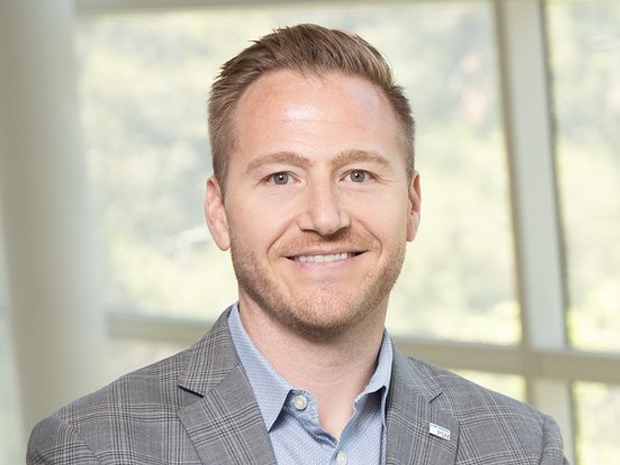
Organizations that succeed with AI adoption in the workforce view it as a long-term organizational capability that requires ongoing investment, training and oversight rather than a simple off-the-shelf technology solution.
Joe Rishell, Director, RSM US LLP
The rise of the nonhuman worker
Some of the biggest workforce shifts are occurring in entry-level roles, where AI is used for routine activities such as data review, drafting and workflow routing. According to the RSM workforce report, 45% of respondents are using AI to some or a great extent in place of hiring entry-level staff. This shift requires leaders to revisit governance frameworks, policies, job descriptions, key performance indicators and performance management processes.
In addition, role-based AI literacy is becoming essential, with organizations investing in training for prompt writing, responsible AI usage and organizational controls.
Evolving demands on total rewards and compliance
Traditional compensation and benefits models are no longer sufficient as organizations balance evolving workforce expectations, regulatory obligations and cost pressures. Employees expect more than competitive pay; they want flexibility, wellbeing support and benefits aligned to modern work models. Organizations face rising compliance obligations across jurisdictions and evolving workforce structures amid economic uncertainty.
To reduce exposure, many employers are strengthening oversight and improving visibility into regulatory exposure and enhancing cross-functional coordination across HR, payroll, tax and finance functions. Many employers are also exploring outsourcing and managed services to reduce risk, improve operational continuity and free internal teams to focus on strategic priorities.

For total rewards strategy, organizations must treat compliance as a proactive priority rather than a reactive one. A forward-looking approach enables better decision making and provides the clarity needed to make informed choices.
Anne Bushman, Partner, RSM US LLP
Redefining outsourcing for workforce resilience
The most common functions that organizations are considering outsourcing over the next year are information technology (65%), payroll (38%), finance (31%) and HR (19%), as stated in the RSM US Middle Market Business Index Workforce Special Report: Workforce 2026.
Payroll outsourcing improves flexibility, resilience and cost efficiency, while allowing quicker responses to changing tax and labor regulations. Many HR leaders retain employee relations while outsourcing administrative or transactional functions such as hire-to-retire processes.
Rather than building all specialized capabilities internally, organizations are accessing specialized expertise on demand through outsourcing arrangements, particularly within global payroll, tax, garnishments and equity compensation.
External providers support technology modernization through automation, integrations and scalable platforms, while managed services help reduce operational risk through standardized processes and service-level agreements for continuity during turnover, transformation or organizational disruption.
Offshoring is evolving beyond a cost-saving strategy into a broader workforce resilience model that improves scalability, continuity and round-the-clock operational capability through global talent markets and standardized processes.

Outsourcing allows organizations to scale and stabilize operations without being constrained by internal capacity, talent or technology limitations, resulting in a global, technology-enabled, partner-supported workforce.
Lorry Twisdale, Principal, RSM US LLP
U.S. tax compliance and global employment considerations
According to the RSM workforce report, 31% of organizations are mandating that remote employees return to the office, while another 25% are considering it.
Wage sourcing and withholding for remote, hybrid and mobile employees remains a persistent challenge, often driven by outdated systems, inconsistent data and employee turnover that erodes institutional knowledge.
Furthermore, short-term business travel creates tax exposure, particularly in states with aggressive enforcement practices. States continue to expand data matching and audit techniques to identify underreported wages and strengthen compliance enforcement.
Inbound workforce management creates additional complexity because of multijurisdictional tax rules, while evolving regulations, including overtime reporting updates and higher 1099 reporting thresholds, require ongoing compliance readiness. As payroll consolidation and shared services models expand, stronger oversight and cross-functional alignment remain essential.
Organizations should require employees to regularly update work locations and tax documentation through HR systems to maintain accurate payroll, wage reporting and withholding compliance. Employers should identify Fair Labor Standards Act overtime compensation and provide employees with the information needed for tax filing purposes.

Remote and hybrid employees can trigger payroll complexity, and state nexus and withholding risks, while fluctuating return-to-office policies further compound the likelihood of penalties and missed savings opportunities.
Peter M. Berard, Senior Director, RSM US LLP
Globally, employment tax complexity continues to rise. According to RSM's report, 52% of organizations say workforce regulations affect their ability to hire, 56% report impacts on their ability to offer competitive compensation and 49% identify regulations as a retention issue.
Variations in benefits, health and safety requirements and paid leave laws across jurisdictions further increase compliance and management challenges. Workforce regulation can no longer be treated as a reactive function. Instead, it must be embedded into workforce planning and operating model decisions.
Key governance priorities include:
- Managing permanent establishment risk
- Overseeing employer-of-record arrangements
- Maintaining Social Security documentation
- Administering shadow payroll
- Addressing equity compensation reporting obligations
- Managing treaty relief requirements

Successful global mobility requires more than workforce planning alone—it depends on governance controls, data discipline and cross-functional coordination embedded throughout the operating model.
Audra Marshall, Principal, RSM US LLP
Frequently asked questions
Top workforce pressures include selective hiring for critical skills, retention amid persistent turnover risk and work redesign to boost productivity.
Employees increasingly prioritize flexibility, wellbeing, equity and transparency. In response, total rewards strategies are evolving to address cost pressures, rapid workforce change and expanding regulations.
Organizations are using outsourcing to reduce risk, improve resilience and scale operations more efficiently amid talent shortages, technology modernization and regulatory change.
Attract, retain and empower talent
View RSM's latest webcast, Workforce 2026: AI, compliance and talent, to learn practical strategies to improve productivity, strengthen retention and manage risk in an increasingly dynamic labor environment.
Turning workforce strategy into action
As workforce dynamics continue to evolve, organizations must adopt a more agile approach to workforce planning that accounts for shifting employee expectations, AI integration and strategic outsourcing.
To build momentum, leaders should prioritize practical, measurable actions such as identifying AI pilots tied to specific business problems, assessing high-risk outsourcing opportunities, evaluating payroll and employment tax exposure and refreshing total rewards strategies to strengthen attraction and retention.
Ready to get started? RSM's experienced advisors can help you plan proactively for long-term value and competitive advantage. Contact our team to learn how RSM can help transform your workforce strategy.
RSM contributors

Related insights
RSM Catamaran
RSM’s suite of integrated, outsourced solutions has the power to transform and strategically evolve your finance, IT, risk and HR functions for the future. Through RSM Catamaran, we add value without adding overhead costs, by giving you access to a deep knowledge base and cutting-edge technology.

Tax resources
Timely updates and analysis of changing federal, state and international tax policy and regulation.

Subscribe now
Stay updated on tax planning and regulatory topics that affect you and your business.

Washington National Tax
Experienced tax professionals track regulations, policies and legislation to help translate changes.