Bringing a fraud risk mindset to a deal process at the outset is key in countering risks.

Key takeaways


Lenders need to understand how the threat of fraud is evolving with new technologies.

Team Communication
Third-party advisors can help lenders improve their risk management processes.
Recent media attention on alleged fraud cases involving certain private credit transactions serves as a reminder that lenders must continue to prioritize due diligence, monitoring and oversight as part of their broader risk management efforts.
Establishing robust due diligence
Loans in the private credit and specialty finance sector can present higher-risk profiles than traditional commercial loans, depending on borrower characteristics, asset structures and market conditions. Economic circumstances often limit the borrower’s access to traditional financing, making asset-based lending an important source of capital.
Consequently, when negotiating a lending agreement, the lender must conduct due diligence to fully understand the borrower’s background and history as well as the value and quality of its assets.
Once the deal is complete, the lender must continue its scrutiny to ensure that the assets remain available and maintain their value as sufficient collateral for the life of the loan. Verification of the assets’ existence and maintenance by the borrower is an important periodic review step, as is considering broader economic circumstances and how they may affect the monetary return if the loan defaults.
The use of technology and artificial intelligence-enabled fraud detection tools can support and strengthen risk management and lenders’ ability to stay ahead of potential fraud schemes. However, the increasing use of generative AI in certain fraudulent schemes is an additional risk factor to consider. In some cases, generative technologies have been used to create increasingly realistic falsified documentation, reinforcing the need for heightened scrutiny.
As fraud schemes increasingly leverage technology, so can the preventive measures to counter it.
Countering the threat
Bringing a fraud risk mindset to a deal process at the outset is essential in countering evolving risks of misrepresentation and fraud in credit assessment and due diligence. Similarly, maintaining heightened professional skepticism and scrutiny, informed by any past fraud experience, can enhance ongoing monitoring over the life of the loan.
Enhancements to existing risk management procedures that organizations may consider include:
- Embedding a fraud risk mindset during research and due diligence prior to executing loan agreements, through measures such as:
- Conducting reputation screening for a history of noncompliance or misrepresentation
- Performing an in-depth evaluation of assets’ existence, ownership and value
- Understanding the nature of the assets being collateralized and their ability to be identified, ring-fenced and converted to cash in a distress scenario
- Validating compliance with any conditions of the loan (e.g., maintaining sufficient insurance or particular storage conditions)
- Conducting periodic, robust field audit procedures that confirm or refresh the due diligence findings, maintaining professional skepticism and accounting for changing economic or operational circumstances
- Performing ongoing monitoring and randomized checks of collateral and assets that are part of the loan portfolio
- Working with experienced advisors, where appropriate, who leverage emerging tools that can help evaluate the risk of AI-generated documentation, build anomaly detection workflows and embed voice and image recognition into review engines
Improving risk management
Third-party vendors can help lenders improve their risk management processes. Solutions may include:
- Lender diligence field exams: Comprehensive reviews of the issuer’s compliance with lending facility requirements can detect duplicate pledging and assess policies, controls, systems and other critical compliance risks related to lending agreements.
- Monthly servicer report (MSR) validation services: Independent recalculations or confirmations of monthly reports can catch misstatements early.
- Focused borrower inquiries/investigations: Targeted procedures—including desk-based and on-site investigations, public source and physical asset verification, and technology-enhanced auditing and interviews—can identify hidden risks or indicators of potential obfuscation.
- Continuous monitoring platforms: Such platforms can track risk indicators, loan-level reporting compliance and other anomalies in real time.
As the threat of fraud evolves with new technologies, lenders need to be proactive about strengthening risk mitigation processes. Working with an external advisor can help organizations implement the solutions above, stay vigilant and adapt to the current landscape.
RSM contributors
-
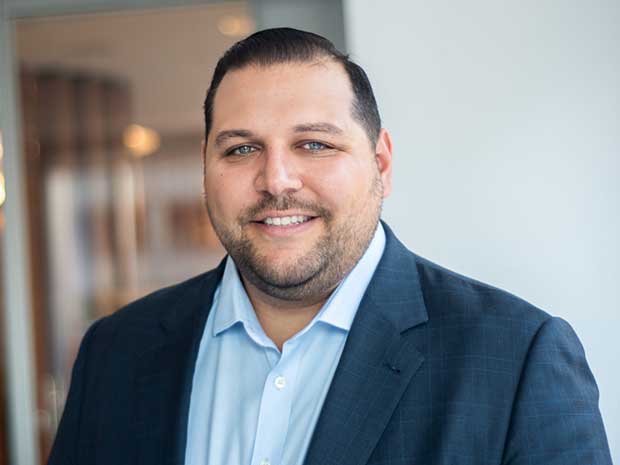 Louis MustoPrincipal
 -
 David HiltonPrincipal
Holistic solutions can help address your most complex risk and compliance challenges.
Contact our risk professionals
Complete this form and an RSM representative will be in touch shortly.